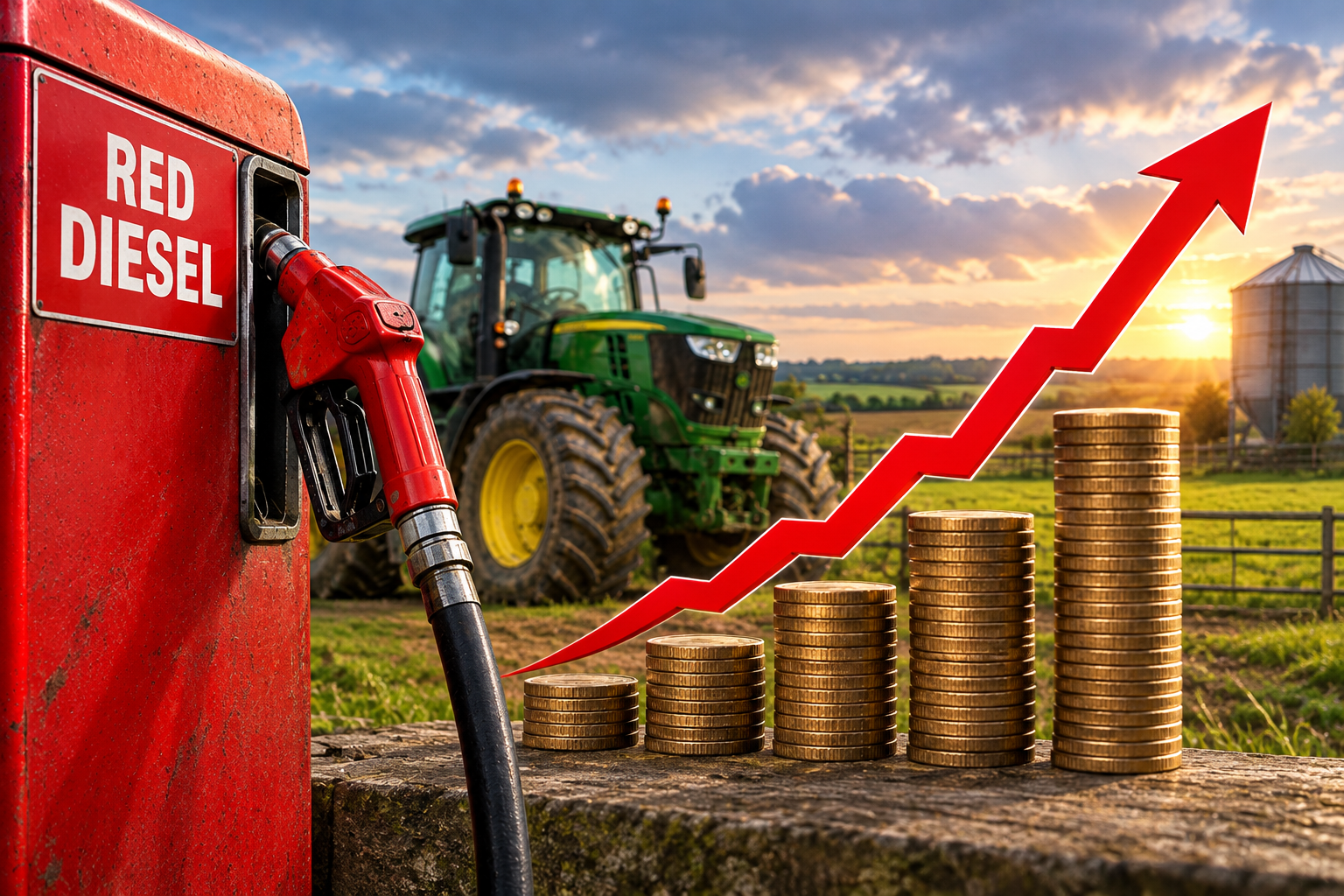
You’ll be only too painfully aware just how much sky-rocketing fuel prices are damaging your business right now. It’s difficult to believe that red diesel prices averaged between 65p and 70p per litre at the beginning of this year. The ongoing conflict in eastern Europe, since compounded by escalating hostilities in The Middle East, have led to serious supply disruptions and continued volatility in the global oil market. The result? As of mid-October 2026, UK farmers are paying an average of between 112.5p and 119.5p per litre for red diesel. That roughly equates to an increase of anything between 60% and 83.5% depending on where in the UK you are based.
That’s bad enough, but, if you’re in the business of farming, there is a double whammy to contend with. In most cases, in the short term at least, farmers are simply not able to uplift the prices they receive for their produce to keep pace with the ever-increasing cost of their diesel.
The current situation doesn’t look like easing any time soon and fuel prices are expected to remain high for the foreseeable future. This has led many farmers and contractors to take a long, hard look at their current fuel usage and explore potential ways to reduce consumption and save money without compromising productivity or the quality of their end-product.
Moving away from traditional cultivations to min-till or direct drilling to reduce the number of passes, or perhaps adopting precision farming techniques such as auto-steering and GPS mapping are some of the more drastic options available, albeit too impractical for many. However, when it comes to fuel consumption, the biggest, quickest and most obvious wins can be gained by analysing the diesel-driven machinery you operate, and how those assets are set up, used and maintained.
Gearing up and throttling back when running a load that requires less than 70% of your tractor’s maximum power can pay real dividends. Dropping RPM by around 20% could save anywhere between 15% and 40% on fuel.
Turning off engines during loading, waiting times or short stops rather than letting tractors idle will cut your consumption even further.
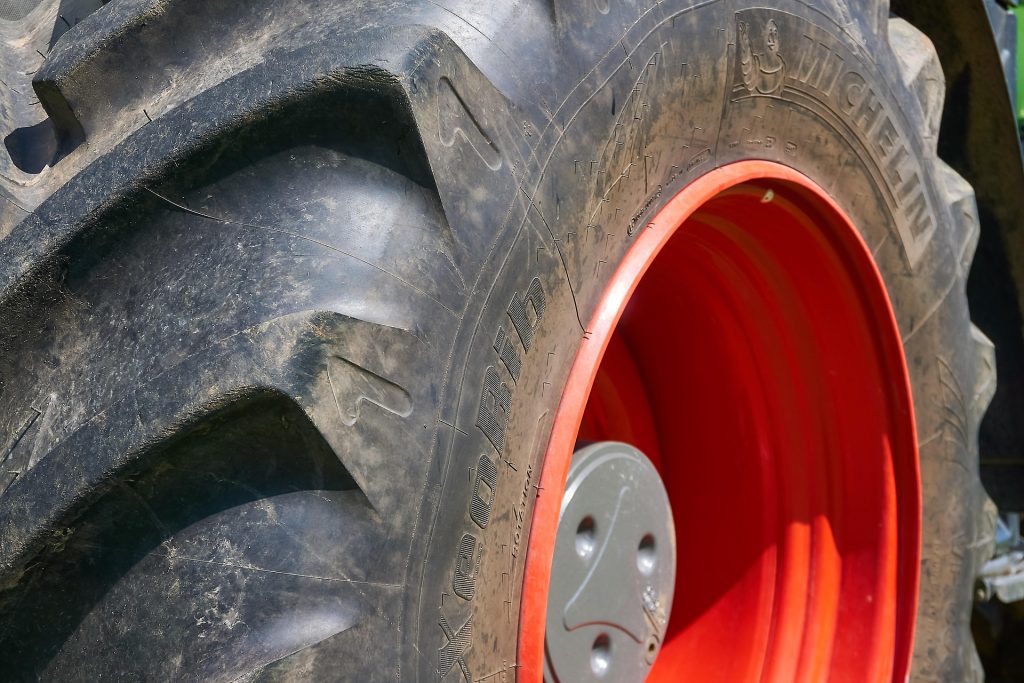
Optimising tyre pressures to suit the job at hand can also have a positive impact on fuel economy.
Reduce pressures in the field to widen the footprint, reduce slip and lower rolling resistance (which can waste up to 23% more fuel if tyres are severely over-inflated), and then pump them back up again for road travel.
Last but not least of our quick wins …. cleaning or replacing clogged air filters and regularly servicing fuel injectors can restore up to 15% in lost efficiency.
The Lynx range includes a number of products and services that can help you to achieve substantial reductions in the amount of diesel being guzzled by some of the most important pieces of kit on your farm such as tractors, combine harvesters and forage harvesters. Products that could save you many thousands of pounds on your farm’s annual fuel bill.
To find out more, be sure to keep checking back in to our BLOG section where we’ll posting an article focusing on a different product each week over the next month or so covering the key features and benefits of these fuel-saving solutions.
Lynx Engineering is the UK importer for a wide range of machinery brands, distributed through our nationwide dealer network.


